a peace to end all peace pdf

A Peace to End All Peace: Exploring the Philippine Context
David Fromkin’s seminal work, “A Peace To End All Peace,” is a crucial resource, available as a PDF, offering insights into post-WWI geopolitical shifts.
Its analysis of historical events provides a framework for understanding contemporary peacebuilding challenges within the Philippine context.
Historical Background of the Philippine Peace Process
The Philippine peace process has evolved significantly since its inception, formally structured through Executive Order No. 125 (1993), later amended by Executive Order No; 3 (2001).
This established the Office of the Presidential Adviser on the Peace Process (OPAPP), now OPAPRU, to oversee comprehensive peace efforts.
Understanding the historical roots, paralleled by analyses like those in “A Peace To End All Peace” PDF, illuminates the complexities of forging lasting peace agreements amidst diverse socio-political landscapes.
Executive Order No. 125 (1993) and its Amendments
Executive Order No. 125 (1993) initially created OPAPP, mandating it to oversee the comprehensive peace process. Subsequent amendments, notably Executive Order No. 3 (2001), refined its structure and expanded its authority.
These legal frameworks demonstrate a sustained governmental commitment to peace.
Analyzing historical peace initiatives, as detailed in resources like the “A Peace To End All Peace” PDF, provides context for understanding the evolution of these executive orders and their impact.
The Role of OPAPP/OPAPRU
The Office of the Presidential Adviser on Peace, Reconciliation and Unity (OPAPRU) – formerly OPAPP – is central to integrating and implementing the comprehensive peace process in the Philippines.
It coordinates efforts across government agencies and stakeholders.
Understanding historical peace failures, as explored in works like “A Peace To End All Peace” PDF, informs OPAPRU’s strategies, emphasizing inclusivity and long-term stability.
Key Figures in the Philippine Peace Process
Secretary Carlito G. Galvez, Jr. champions the peace agenda, recognizing lessons from historical analyses like those found within “A Peace To End All Peace” PDF.
Secretary Carlito G. Galvez, Jr. and his Contributions
Secretary Galvez has lauded 2023 as a landmark year for the Philippine peace process, demonstrating the Marcos administration’s firm dedication. His leadership echoes the need for comprehensive understanding, potentially informed by historical analyses like David Fromkin’s “A Peace To End All Peace,” accessible as a PDF.
Galvez also commended the PNP’s role, highlighting a multi-faceted approach to peacebuilding. He understands the importance of learning from past geopolitical strategies, as detailed in the referenced work.
The Marcos Administration’s Commitment to Peace
The current administration, under President Marcos, exhibits an “unwavering commitment” to the Philippine peace agenda, as highlighted by Secretary Galvez. This dedication necessitates a deep understanding of historical precedents, potentially drawing insights from works like David Fromkin’s “A Peace To End All Peace,” available in PDF format.
Analyzing past peace settlements, as the book details, can inform present strategies and avoid repeating historical errors in the pursuit of lasting peace.
Milestones and Achievements in 2023
2023 marked a “banner year” for the Philippine peace process, demonstrating progress. Studying historical parallels, like those in “A Peace To End All Peace” PDF, aids understanding.
Significant Advancements in Comprehensive Peace Efforts
Significant strides were made in 2023, reflecting the Marcos administration’s dedication to peace. Examining “A Peace To End All Peace” – accessible as a PDF – offers valuable historical perspective.
Understanding the complexities of post-war settlements, as detailed in the PDF, can inform current strategies. This includes recognizing potential pitfalls and fostering inclusive agreements. The OPAPRU’s work benefits from such comparative analysis, strengthening comprehensive peace initiatives and ensuring lasting stability across the nation.
Recognition of the PNP’s Role in Peacebuilding
Secretary Galvez Jr. commended the Philippine National Police (PNP) for their substantial contributions to the comprehensive peace process in September 2023. While navigating peace, studying “A Peace To End All Peace” – found as a PDF – highlights the importance of security forces.
The PNP’s role is vital, mirroring the need for robust security outlined in the PDF’s historical analysis. This recognition underscores a holistic approach to peacebuilding, integrating law enforcement with broader reconciliation efforts.
Recent Developments (as of January 22, 2026)
OPAPRU expressed condolences for the Bondi tragedy, advocating for global healing and the sanctity of life, themes resonating with “A Peace To End All Peace” PDF.
OPAPRU’s Response to International Tragedies (Bondi, Australia)
OPAPRU conveyed its deepest sympathies to the victims and families affected by the devastating violence in Bondi, Australia, on December 22, 2025. This expression of solidarity underscores a commitment to global healing and reinforces the sanctity of human life – principles powerfully explored within David Fromkin’s “A Peace To End All Peace,” accessible as a PDF.
The agency’s response highlights the interconnectedness of peace efforts worldwide, echoing the book’s examination of post-war consequences and the fragility of peace agreements.
Emphasis on Global Healing and the Sanctity of Human Life
OPAPRU’s call for global healing following the Bondi tragedy directly reflects a fundamental tenet of peacebuilding: valuing the sanctity of human life. This resonates deeply with the historical analyses presented in David Fromkin’s “A Peace To End All Peace,” available as a PDF, which details the human cost of conflict and flawed peace settlements.
Acknowledging shared vulnerability fosters empathy and strengthens international cooperation towards lasting peace.

The Concept of “Peace as a Lived Reality”
Aurora Province exemplifies peace as a tangible experience, built through community reintegration and infrastructure. This contrasts with the fractured peace detailed in “A Peace To End All Peace” PDF.
Peacebuilding in Aurora Province: Livelihoods and Reintegration
Aurora Province demonstrates a proactive approach to peace, moving beyond mere absence of conflict. Livelihoods are actively fostered, providing economic opportunities for former combatants and vulnerable communities. This reintegration process, coupled with infrastructure development, aims to solidify a “lived reality” of peace.
This stands in stark contrast to the cautionary tales within David Fromkin’s “A Peace To End All Peace” PDF, which highlights how superficially imposed settlements can unravel without addressing underlying societal needs and fostering genuine reconciliation.
Infrastructure Development as a Tool for Peace
Strategic infrastructure projects in conflict-affected areas are vital for sustainable peace, fostering economic growth and improved access to essential services. This approach directly addresses root causes of conflict, promoting stability and community resilience.
Considering David Fromkin’s “A Peace To End All Peace” PDF, such development isn’t merely construction; it’s a deliberate strategy to prevent the re-emergence of grievances, unlike the flawed post-WWI settlements he critiques.

Analyzing “A Peace to End All Peace” by David Fromkin
David Fromkin’s “A Peace To End All Peace,” accessible as a PDF, offers critical historical parallels, illuminating the complexities of peace processes and their potential pitfalls.
Relevance of Fromkin’s Work to the Philippine Context
Fromkin’s analysis, readily available as a PDF, resonates with the Philippine experience by highlighting how seemingly settled agreements can contain the seeds of future conflict.
The book’s exploration of imposed settlements, redrawn boundaries, and disregarded local dynamics mirrors historical challenges faced during the Philippine peace process.
Understanding these patterns, as detailed in “A Peace To End All Peace,” is vital for crafting durable and inclusive peace agreements that address root causes and prevent renewed hostilities.
Six Key Events from the Book and their Potential Parallels
The PDF of “A Peace To End All Peace” details events like the Sykes-Picot Agreement, echoing concerns about external influence in Philippine negotiations.
The Balfour Declaration parallels issues of self-determination. Post-WWI border disputes reflect historical land conflicts within the Philippines.
The rise of extremist groups post-war finds resonance in contemporary challenges. Broken promises to Arab leaders mirror grievances fueling past insurgencies. Ignoring local populations’ concerns is a recurring theme.
Challenges to the Philippine Peace Process
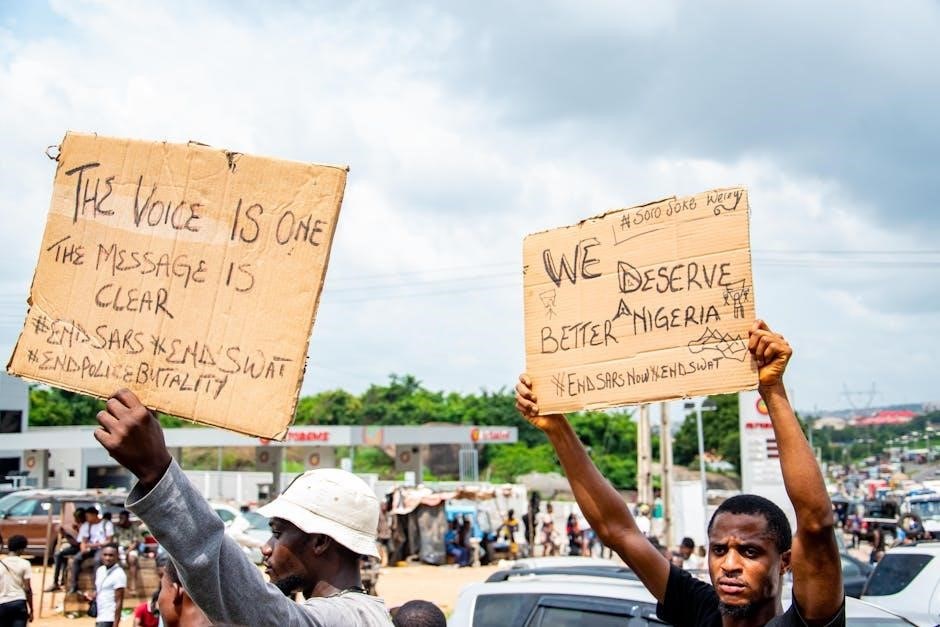
Addressing violence and rejecting extremism are paramount, mirroring themes in “A Peace To End All Peace” PDF, demanding inclusive agreements and sustained commitment.
Addressing Violence and Rejecting Extremism
The Philippine peace process confronts the persistent threat of violence and extremist ideologies, requiring a multifaceted approach. Drawing parallels from David Fromkin’s “A Peace To End All Peace” PDF, understanding the roots of conflict—historical grievances and power imbalances—is crucial.
Rejecting extremism necessitates robust community engagement, promoting inclusive governance, and addressing socio-economic inequalities that fuel radicalization. A firm stance against violence, coupled with proactive peacebuilding initiatives, is essential for lasting stability.
Ensuring Comprehensive and Inclusive Peace Agreements
Building upon the lessons within David Fromkin’s “A Peace To End All Peace” PDF, the Philippines must prioritize comprehensive and inclusive peace agreements. These agreements should address not only immediate conflicts but also underlying structural issues—land reform, economic disparities, and political representation.
Genuine inclusivity demands meaningful participation from all stakeholders, including marginalized communities, women, and youth, fostering a sense of ownership and shared responsibility for a sustainable peace.

The Future of Peace in the Philippines
Integrating peacebuilding into national policies, informed by analyses like those in “A Peace To End All Peace” PDF, is vital for sustained progress.
Continued Commitment to the Peace Agenda
The Marcos administration demonstrates unwavering dedication to the Philippine peace agenda, mirroring the need for resolute leadership highlighted in “A Peace To End All Peace” PDF.
Sustained commitment requires a nuanced understanding of historical precedents and potential pitfalls, as detailed within Fromkin’s analysis.
OPAPRU’s ongoing efforts, coupled with insights from the PDF, are crucial for navigating complex negotiations and fostering lasting reconciliation across the nation.
Integration of Peacebuilding into National Policies
Successfully integrating peacebuilding into national policies demands a comprehensive strategy, informed by historical analysis like that found in “A Peace To End All Peace” PDF.
Fromkin’s work underscores the importance of anticipating unintended consequences and addressing root causes of conflict.
OPAPRU’s role is pivotal in ensuring peace initiatives are not isolated efforts, but are woven into the fabric of governance and national development plans.

Resources and Further Reading
Access the insightful “A Peace To End All Peace” PDF for a deeper understanding of geopolitical strategies and their lasting impacts on peace processes.
Accessing the PDF of “A Peace to End All Peace”
Readers interested in delving into David Fromkin’s comprehensive analysis can locate a PDF version of “A Peace To End All Peace” through various online repositories.
While direct links may vary, searching academic databases and digital libraries often yields results. The PDF, approximately 100 pages in length, provides a detailed examination of the post-World War I settlement and its unintended consequences.
Understanding these historical parallels is vital for contextualizing current peace initiatives.
Official OPAPRU Website and Publications
The Office of the Presidential Adviser on Peace, Reconciliation and Unity (OPAPRU) website serves as a primary source for information regarding the Philippine peace process.
While a direct PDF of “A Peace To End All Peace” isn’t hosted, OPAPRU publications often reference historical analyses like Fromkin’s work to inform contemporary strategies.
Exploring their reports and policy papers provides valuable context for understanding the nation’s commitment to lasting peace.
International Solidarity and Support
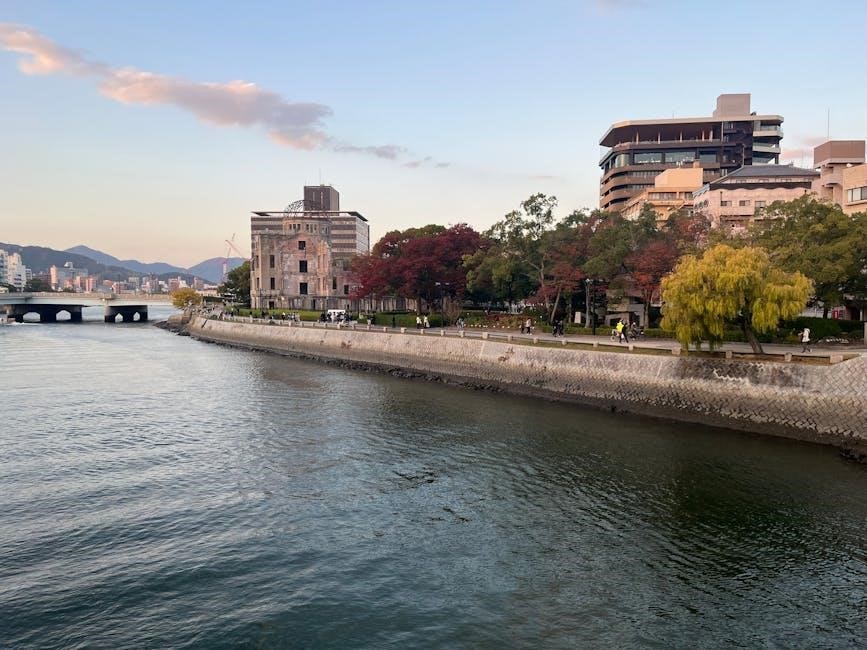
Global collaboration and learning from international peacebuilding experiences are vital, mirroring the complex geopolitical lessons detailed in “A Peace To End All Peace’s” PDF.
Collaboration with Global Organizations
Strengthening ties with international bodies is paramount for the Philippines’ peace process. Examining historical precedents, like those outlined in the PDF version of David Fromkin’s “A Peace To End All Peace,” reveals the importance of multilateral engagement.
These organizations offer expertise, resources, and platforms for sharing best practices. Learning from past successes and failures, as documented in the book, can inform current strategies and foster a more sustainable peace.
Such partnerships enhance the Philippines’ capacity to address complex challenges and build lasting stability.
Learning from International Peacebuilding Experiences
Analyzing global peace initiatives, alongside insights from David Fromkin’s “A Peace To End All Peace” – accessible as a PDF – is vital. The book highlights the pitfalls of poorly constructed agreements and the long-term consequences of unresolved tensions.
Studying international models allows the Philippines to adapt successful strategies and avoid repeating past mistakes. Understanding the complexities of post-conflict reconstruction, as Fromkin details, is crucial for fostering genuine reconciliation.
This comparative approach strengthens the nation’s peacebuilding efforts.
The Importance of Reconciliation
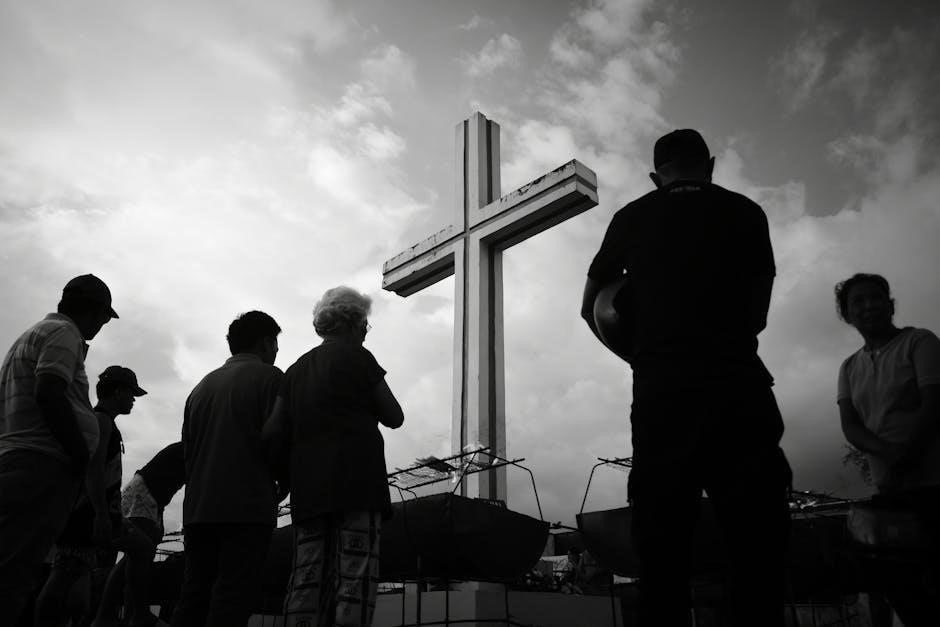
Genuine healing requires addressing past grievances, fostering understanding, and promoting forgiveness – lessons echoed in Fromkin’s “A Peace To End All Peace” PDF.
Healing Communities Affected by Conflict
Effective reconciliation necessitates targeted support for communities fractured by conflict, mirroring the complex post-war scenarios detailed in Fromkin’s “A Peace To End All Peace” PDF.
This involves acknowledging suffering, facilitating dialogue, and implementing restorative justice mechanisms. Understanding the historical precedents outlined in the PDF illuminates the potential pitfalls and opportunities in fostering genuine community healing.
Ultimately, lasting peace demands addressing the root causes of division and building trust.
Promoting Understanding and Forgiveness
Cultivating empathy and forgiveness is paramount in post-conflict settings, a theme resonating with the intricate power dynamics explored in Fromkin’s “A Peace To End All Peace” PDF.
This requires acknowledging shared humanity, even amidst profound grievances. Studying the historical failures detailed within the PDF underscores the dangers of retribution and the necessity of inclusive narratives.
Genuine reconciliation hinges on fostering a climate where understanding transcends blame.

Community-Based Peace Initiatives
Grassroots movements are vital for sustainable peace, mirroring localized efforts needed to address complex issues highlighted in “A Peace To End All Peace” PDF.
Grassroots Movements and Local Peacebuilding Efforts
Empowering communities to lead peace processes is paramount, echoing the need for localized solutions discussed within “A Peace To End All Peace” PDF. These initiatives, often overlooked in broader strategies, foster genuine reconciliation.
Local peacebuilding efforts require sustained support and resources, mirroring the long-term commitment needed to address deeply rooted conflicts. Understanding historical contexts, as detailed in Fromkin’s work, is crucial for effective grassroots engagement.
These movements build trust and ownership, vital components for lasting peace.
Empowering Communities to Lead Peace Processes
Drawing parallels from “A Peace To End All Peace” PDF, genuine peace requires shifting agency to those most affected by conflict. Local ownership is vital, fostering sustainable solutions beyond top-down interventions.
Empowering communities necessitates providing resources, training, and platforms for dialogue, mirroring the need for inclusive participation highlighted in peacebuilding literature.
This approach builds resilience and ensures that peace initiatives address specific local needs and historical grievances.

The Role of Women in Peacebuilding
While “A Peace To End All Peace” PDF doesn’t directly address this, inclusive peace processes—integrating women’s leadership—are essential for lasting stability.
Promoting Gender Equality in Peace Negotiations
Although David Fromkin’s “A Peace To End All Peace” PDF primarily focuses on geopolitical strategies post-WWI, its lessons underscore the necessity of inclusive dialogues.
Contemporary peacebuilding recognizes that excluding women from negotiations diminishes the potential for sustainable resolutions.
Gender equality isn’t merely a matter of fairness; it’s strategically vital, ensuring diverse perspectives and addressing the unique impacts of conflict on women and girls.
Active participation fosters more comprehensive and resilient peace agreements.
Supporting Women’s Leadership in Peace Initiatives
While David Fromkin’s “A Peace To End All Peace” PDF details power dynamics among nations, it implicitly highlights the importance of diverse leadership in shaping outcomes.
Supporting women’s leadership in Philippine peace initiatives is crucial, moving beyond simply including them to actively empowering their roles.
This involves capacity-building, resource allocation, and dismantling systemic barriers that hinder their influence.
Women’s unique perspectives contribute to more holistic and lasting peace.



Leave a Reply
You must be logged in to post a comment.